
Project Overview
These inspections support operational safety, reliability and asset integrity management within industrial energy infrastructure.
Industry
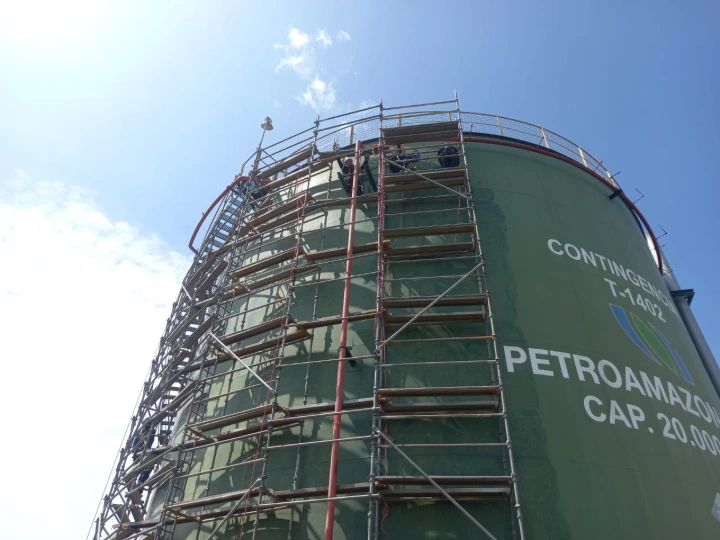
Oil and Gas Production Infrastructure
Infrastructure Evaluated
- pressure vessels
- process equipment
- static production equipment
- oilfield processing facilities
These assets form part of the operational infrastructure used in petroleum extraction and processing facilities.
Standards Applied
The inspection activities followed internationally recognized engineering standards for non-destructive testing, equipment inspection and asset integrity evaluation.
API 510 – Pressure Vessel Inspection Code
API 510 establishes inspection procedures used to evaluate the structural integrity of pressure vessels operating in petroleum and chemical processing facilities.
The standard provides guidelines for inspection intervals, corrosion evaluation and assessment of pressure equipment suitability for continued operation.
API 510 principles were considered when evaluating the condition of pressure vessels and static equipment inspected during the project.
API 570 – Piping Inspection Code
API 570 establishes the inspection requirements for piping systems operating in petroleum and petrochemical facilities.
Although the primary focus of the project was static equipment, API 570 inspection principles were considered during the evaluation of associated piping and process components connected to inspected vessels.
The application of these standards supports the identification of corrosion mechanisms and operational risks affecting industrial process equipment.
ASNT SNT-TC-1A – Ultrasonic Testing Personnel Qualification
The ultrasonic inspection activities were performed by qualified inspectors certified according to the ASNT SNT-TC-1A recommended practice.
This standard defines qualification requirements for personnel performing non-destructive testing techniques such as ultrasonic testing (UT) and visual testing (VT).
Certified inspectors ensure reliable interpretation of inspection results and consistent application of ultrasonic testing techniques.
Technical Scope
The project included several inspection and evaluation activities aimed at determining equipment condition and structural integrity.
Visual Inspection of Static Equipment
Visual inspection was carried out to identify visible signs of deterioration, mechanical damage, coating condition issues and external corrosion affecting the equipment.
This activity provided the first level of integrity screening before quantitative thickness assessment.
Ultrasonic Thickness Measurement
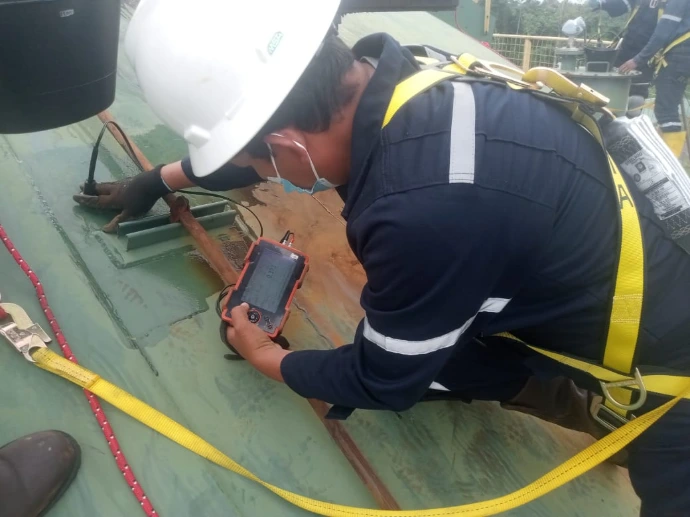
Ultrasonic testing was used to measure remaining wall thickness on inspected equipment.
The service required industrial ultrasonic equipment capable of performing thickness inspection and field data acquisition suitable for static equipment evaluation.
Corrosion and Material Loss Evaluation
Thickness records were used to identify material loss and evaluate degradation affecting equipment integrity.
The service requirements explicitly included calculation tables for:
minimum thickness
recommended retirement thickness
wear percentages
corrosion rate
This allowed the project to move beyond measurement and into engineering evaluation of equipment condition.
Equipment Data Collection
For each inspected item, the technical reporting scope included the collection of:
capacity
service
location
tag identification
design information
nominal thickness
temperature and pressure conditions
material and construction data
These inputs were necessary to support engineering interpretation of inspection results.
Remaining Life and Retirement Thickness Assessment
This type of analysis is essential in oil and gas facilities where thickness loss directly affects pressure containment reliability and inspection planning.
Key Findings
The project structure and reporting requirements indicate that the inspection program was designed to generate integrity-critical data for static equipment operating in demanding petroleum service conditions.
Integrity Data for Static Equipment
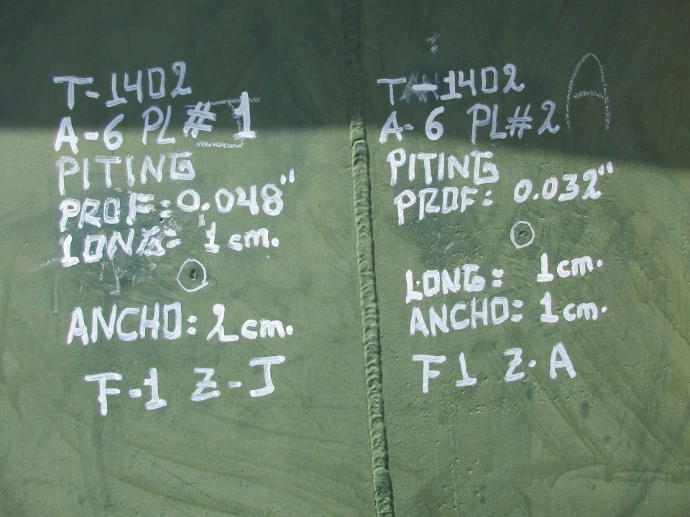
The project required individual equipment reports including design, operation and inspection information, which provided a structured integrity baseline for static assets in oil production facilities.
Thickness Data to Support Fitness Evaluation
The ultrasonic inspection scope specifically required minimum thickness, retirement thickness, wear percentage and corrosion rate calculations, showing that the inspection was intended to support engineering evaluation rather than simple field data collection.
Engineering Basis for Inspection Planning
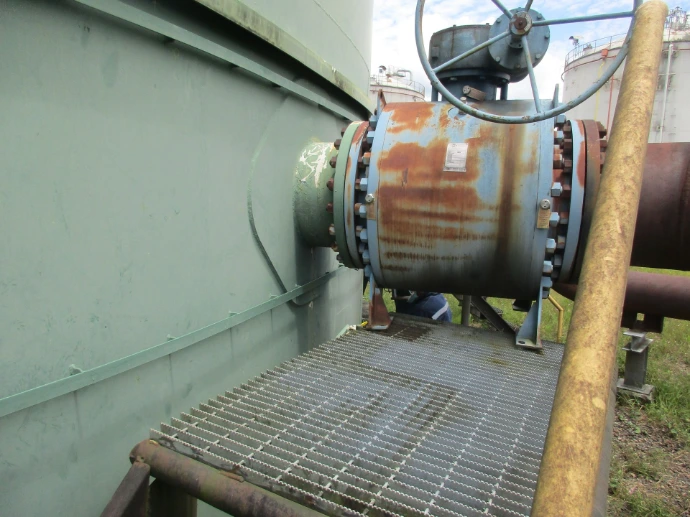
Because the service required conclusions, recommendations and validated technical reports for each inspected item, the project created a practical basis for maintenance prioritization, inspection planning and asset integrity decision-making.
Project Outcome
The project generated a structured inspection basis for evaluating the condition of static equipment used in oil production infrastructure.
Through visual inspection, ultrasonic thickness measurement and engineering reporting, the work supported:
equipment condition assessment
corrosion management
thickness-based integrity evaluation
inspection planning
reliability-focused technical decision-making
This type of inspection program contributes directly to safer and more reliable operation of oil and gas production facilities.
Related Services
Mechanical Integrity Consulting
Consulting and inspection services supporting the
Asset Integrity Management
Engineering support for mining infrastructure
Tank Inspection Services
Technical consulting and inspection services for fuel
Piping Inspection
Asset integrity consulting for industrial processing
Non-Destructive Inspection
Engineering services supporting the integrity
Industrial Infrastructure Inspection
Engineering consulting focused on infrastructure reliability,